

Building Citizen-Powered Agricultural Intelligence
Citizen Science for Agricultural Prosperity (CSAP) combines citizen science and digital tools to promote data-driven farming. It helps communities collect, interpret, and use farm and ecological data to improve decisions, reduce risks, and boost resilience for farms and ecosystems.
The Challenge
The absence of shared, trusted, local data
Agricultural communities in Trinidad and Tobago and across the Caribbean (SIDS) face increasing pressure from climate stress, pests and diseases, rising input costs, and limited access to timely, local data. Many decisions are made with incomplete or delayed information, while valuable knowledge from farmers, environmental stewards, communities, and researchers remains fragmented and underused.
Smallholder farmers are especially affected. They are often excluded from the kinds of real-time intelligence that larger systems rely on, making it harder to manage risk, protect yields, and adapt to change.
CSAP exists because these challenges are not only technical. They are systemic, and they require new ways of producing, sharing, and using agroecological data.
-
CSAP is a collaborative experiment in how agricultural intelligence is created and shared.
Instead of assuming one institution has all the answers, CSAP brings farmers, youth, researchers, and public agencies into a shared process of learning, testing, and improvement. Communities collect and use data in their own environments (Participatory data systems). Researchers help validate and interpret observations. Digital tools connect local inputs into shared, decision-ready knowledge.
This is not a fixed blueprint. It is a living system that evolves as participants learn what works, what does not, and what needs to change.
-
The data gap cannot be closed without the people who experience agroecological conditions every day.
Citizen science makes it possible to generate field-level, context-rich data at scales that formal systems alone cannot reach. Farmers and local observers notice early signs of crop stress, pest pressure, and environmental change long before they appear in aggregated reports or models. By involving communities directly in data collection and use, CSAP improves data coverage, timeliness, and relevance while building local capacity and trust. The result is information that is grounded in real conditions and owned by the people who depend on it.Citizen science is a collaborative approach in which members of the public—farmers, community observers, local extension workers—collect, share, and sometimes help analyze data alongside researchers and technical partners. It emphasizes simple, repeatable observations, local knowledge, and transparent methods so that data are useful for both local decision-making and broader scientific or policy purposes. For CSAP, citizen science means equipping communities with intuitive digital tools, training, and support so that their observations translate into actionable, climate-smart insights and nature-based solutions tailored to Caribbean agroecologies.
-
When local data is visible, shared, and trusted, decisions improve.
Farmers and environmental stewards gain earlier signals and clearer options. Researchers access richer, real-world datasets. Extension services and institutions can better target support and respond to emerging risks. Over time, shared data strengthens learning, coordination, and resilience across the agricultural system.
CSAP does not promise instant solutions. It creates the conditions for better decisions, earlier action, and continuous improvement as data, tools, and participation grow.
Flagship Initiatives
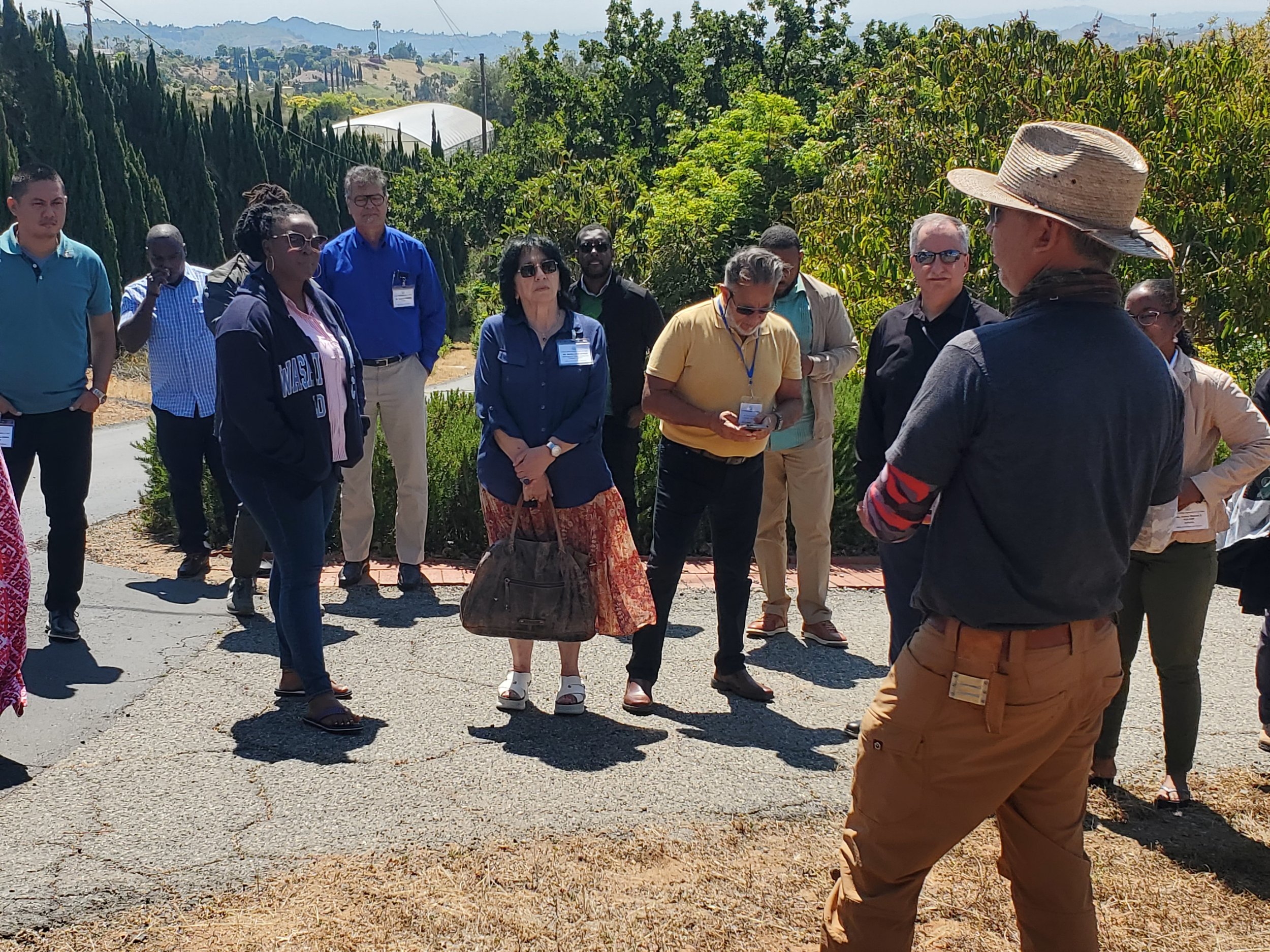
A growing network of farmers, environmental stewards, youth, students, and community members trained to collect geo-referenced agricultural and environmental observations. This network builds local capacity while creating a shared foundation of trusted data
The Citizen Science Network
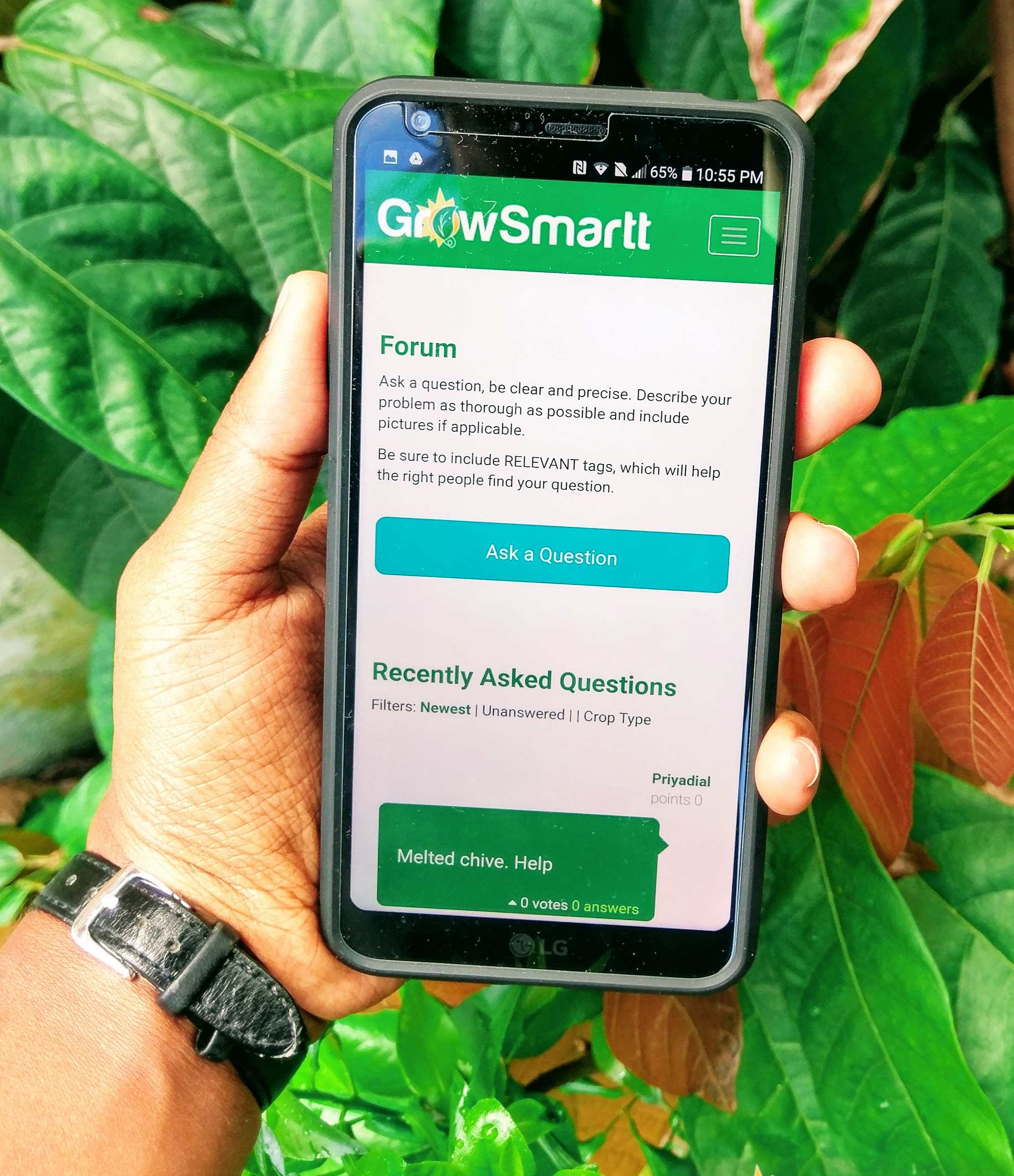
A mobile and web-based system that transforms field observations into alerts, maps, and insights. The platform supports farmers, researchers, and institutions with timely, community-generated agricultural and ecological intelligence.
The Data Collection App
We envision an agricultural system where communities actively generate the data that guides decisions affecting their livelihoods and environments. A system where local observations strengthen research, early warnings reach farmers faster, and nature-based practices are informed by real field conditions. By combining human observation, digital tools, and scientific insight, CSAP aims to strengthen productivity, resilience, and opportunity across farming communities