

About Us
Citizen Science for Agricultural Prosperity (CSAP) is a collaborative framework designed to rethink how agricultural and environmental intelligence is created, shared, and applied in the Caribbean, with a strong focus on smallholder systems, climate resilience, and sustainable land use.
Rather than treating data as something produced only by institutions and experts, CSAP brings farmers, youth, researchers, extension services, and public agencies into a shared system where local observations, scientific methods, and digital tools work together. This approach directly supports national priorities around food security, digital/data-driven agriculture, evidence-based planning, and improved farm-level decision-making.
Communities are not passive data sources. They are active participants in shaping what information is collected, how it is interpreted, and how it is used.
By enabling farmer-led and community-based data collection, CSAP helps close critical information gaps that limit productivity, constrain climate adaptation, and weaken early warning for pests, diseases, and environmental stress.
CSAP is intentionally exploratory. We recognise that complex challenges such as climate variability, pest and disease pressure, soil and water degradation, and rising production costs cannot be solved through fixed, top-down solutions alone. CSAP therefore operates as a learning system. We pilot, test, adapt, and improve through real-world use, guided by evidence and grounded in community realities. Success is defined not by a single outcome, but by building the capacity to respond earlier, manage risk more effectively, and strengthen resilience over time.
Under the CSAP framework, time-bound projects and pilots are implemented to develop and validate two core initiatives: a Citizen Science Network and a Digital Platform for agricultural intelligence. Together, these initiatives support more resilient, inclusive, and nature-informed food systems, aligned with national priorities around climate-smart agriculture, nature-based solutions, youth engagement, and rural economic development.
For donors and investors, CSAP represents a practical pathway to system-level change. It combines community engagement, digital innovation, and scientific rigor to unlock scalable solutions that strengthen food security, improve environmental stewardship, and support sustainable livelihoods across Trinidad and Tobago and the wider Caribbean.
Core Beliefs
-
People closest to the land hold knowledge that is critical to resilience and sustainability. Meaningful change happens when communities are empowered to contribute, learn, and act.
-
Agricultural intelligence should improve livelihoods, protect ecosystems, and inform policy, not remain siloed or inaccessible.
-
Technology should lower barriers, not raise them. Systems must work for smallholder farmers, rural youth, and under-resourced communities.
-
Complex systems require experimentation, reflection, and adaptation. Progress comes from testing ideas in real conditions and evolving based on evidence.
-
No single organization can address agricultural and environmental challenges alone. Shared effort and trust create stronger outcomes.
We envision an agricultural system where communities actively generate the data that guides decisions affecting their livelihoods and environments. A system where local observations strengthen research, early warnings reach farmers faster, and nature-based practices are informed by real field conditions. By combining human observation, digital tools, and scientific insight, CSAP aims to strengthen productivity, resilience, and opportunity across farming communities
Our Vision
People & Governance
-
![]()
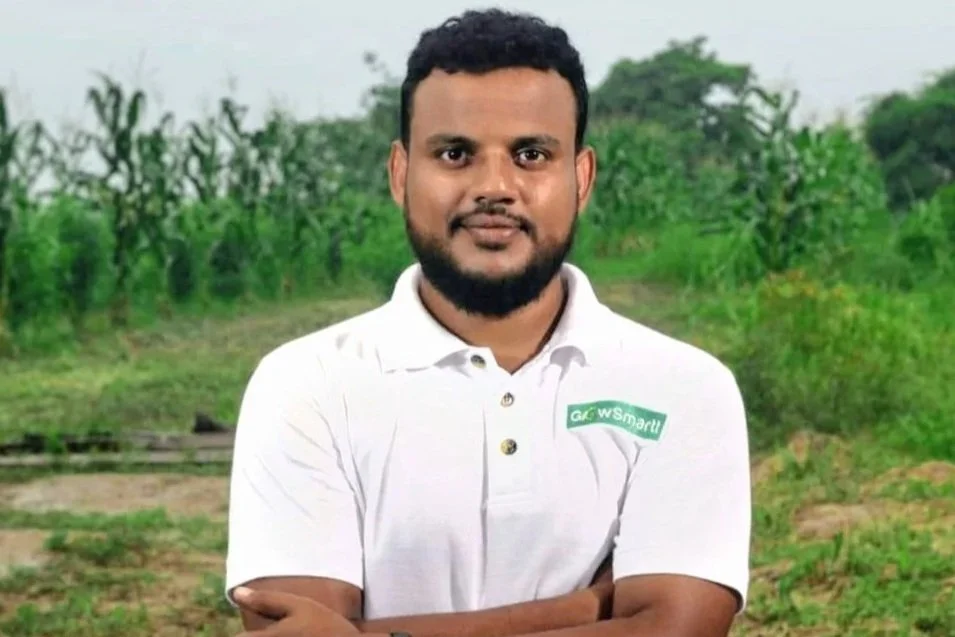
Vijay Dialsingh
Founder & Project Director
Responsible for strategic direction, partnerships, and overall coordination of citizen science, digital agriculture, and policy-relevant innovation. Leads the design and implementation of CSAP pilots and regional collaborations.
-
![]()
Luke Smith
Co-Founder & Technical Lead
Responsible for data systems design, digital tools, and methodological coordination across the Citizen Science Network and data platform. Supports translation of field data into usable insights and decision-support tools.
-
![]()
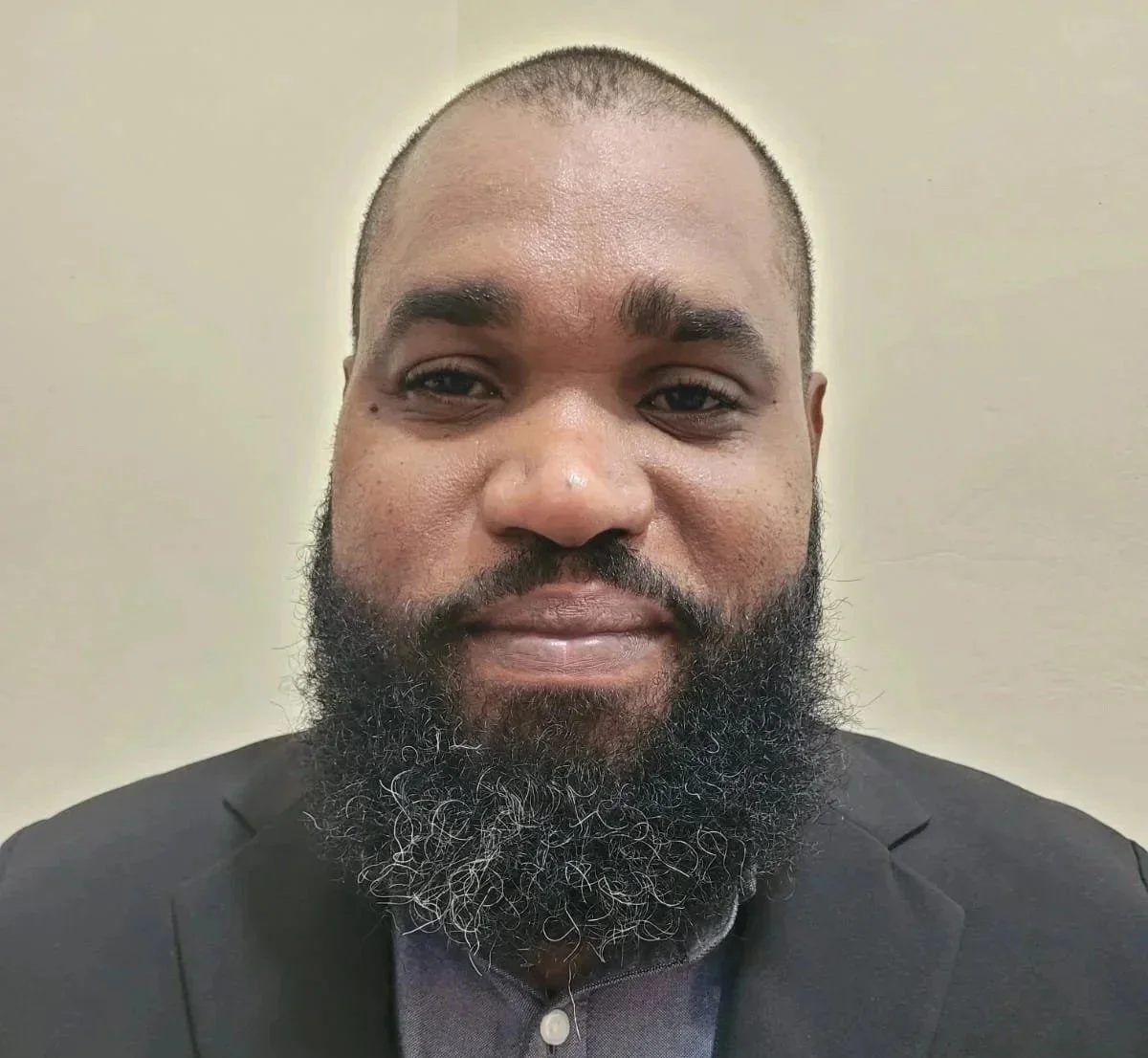
Brent Eversley
Community Engagement & Training Lead
Leads community outreach, training, and participation across the Citizen Science Network. Works closely with farmers, youth, and local organizations to support inclusive engagement and practical data collection.
-
![]()
Priyabhashani Ramsaroop
Head of Governance
Responsible for governance, coordination, and operational integrity. Oversees project management, compliance, reporting, data governance, and ethical standards. Ensures transparency, accountability, and effective coordination across partners and initiatives.



This website was funded by a grant from the United States Department of State. The opinions, findings and conclusions stated herein are those of the author[s] and do not necessarily reflect those of the United States Department of State.